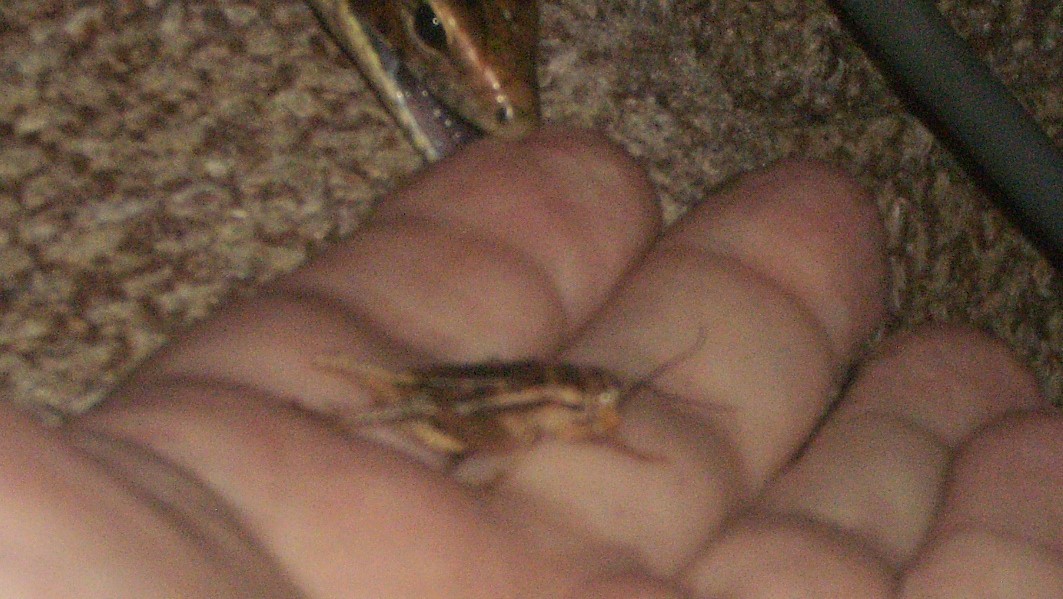
MeepyMeeps wrote:Thank you! I see I need to research a bit more before I jump into them. My skink is very cautious of me so I hope he'll enjoy some worms.
It all takes a little time to find the best feeders and the ones your pet likes .
Things to consider with the live feeder insects are
moisture content
Ca/P ratio , ideally greater than 1.5 and if the insects are relatively low Ca/P gut loading them to increase their nutritional value and Ca/P , is also increased by lightly dusting those insects that are natively low Ca/P with very fine calcium carbonate powder ( colloidal calcium is best ) .
% Protein
% fat in the insect ( some lipids are necessary as vitamins and minerals are biologically mobilized by binding with lipids in the bloodstream ) , some insects have excessive fat content and these should only be give as treats or appetizers.
Some insects if left in the tank will
>>> attack a sleeping reptile ( crickets are known to do this sometimes , and sometimes superworms )
>>> colonise the tank ( roaches are very quick to colonise bedding and under tank furnishings if left in the tank
for these reasons it best to only offer these insects a few at time when the skink is hungry and willing to catch and eat them immediately and it's adviseable not to leave "rogue" crickets, roaches or superworms in the tank overnight.
A word of caution - it's not wise to catch wild insects to use as feeders - these are likely to
>> carry parasites
>> to have been exposed to toxins ( herbicides / insecticides ).
Harvesting garden snails - some people do this but this is risky , and it's best to a least keep the snails in quarantine to feed them up for a week or so to allow any that have been contact with snailbaits to die and those who have not to purge / clear their guts of toxins and paracites ( no guarantee these will ever be paracite free unless you end breeding them and using the offspring as feeders.
Another word of caution avoid using live insects sold as fish bait , these have usually been fed chemical fish attractants that can be toxic to a reptiles .
Here is some very thorough information on the nutritional content of commercially available feeder insects
https://www.beardeddragon.org/forums/vi ... 4#p1807834 ). The 3 Im looking at are Mealwomrs, Hornworms, and Nightcrawlers. I just had some general questions about them.