Feeding worms

Everything Blue Tongues! Have a question? Just got a BTS and want to introduce yourself? This is the place!
Forum rules
In this forum all are welcome to ask blue tongue skink-related questions, share information, ideas, tips, experiences, and pictures with fellow BTS enthusiasts.
If you are wondering if your BTS is acting normally or might be sick, this is where you can get help with that.
This is also where you can have some FUN while sharing the enjoyment you get from your blueys!
MeepyMeeps
Bluey Beginner
Bluey Beginner
Posts: 19
Joined: Mon Jul 15, 2019 12:53 am
Country: US
Location: AZ

Feeding worms

Postby MeepyMeeps » Wed Aug 28, 2019 2:07 pm

I've had my 2 month old skink for a little over 2 weeksw and wanted to try giving my skink some worms to give him son stimulation (and to see if he'll like me more :wink: ). The 3 Im looking at are Mealwomrs, Hornworms, and Nightcrawlers. I just had some general questions about them.
1. What is the upkeep like for them?
2. How do you guage hm to put with their meal/ is it sufficient on irs own?
3. Do they need to be prepared at all or just good to go on their own?
4. My final and maybe dumb question but is the horn on the hornworm harmful at all?
kingofnobbys
Bluey Devotee
Bluey Devotee
Posts: 1229
Joined: Tue Apr 04, 2017 2:17 am
Country: australia
Location: NSW

Re: Feeding worms

Postby kingofnobbys » Wed Aug 28, 2019 11:19 pm

MeepyMeeps wrote:I've had my 2 month old skink for a little over 2 weeksw and wanted to try giving my skink some worms to give him son stimulation (and to see if he'll like me more :wink: ). The 3 Im looking at are Mealwomrs <<< I don't recommend mealworms as a feeder insect for young lizards (skinks or dragons) , they have high fat content and hard to digest exoskeletons , as a treat occasionally only.

, Hornworms
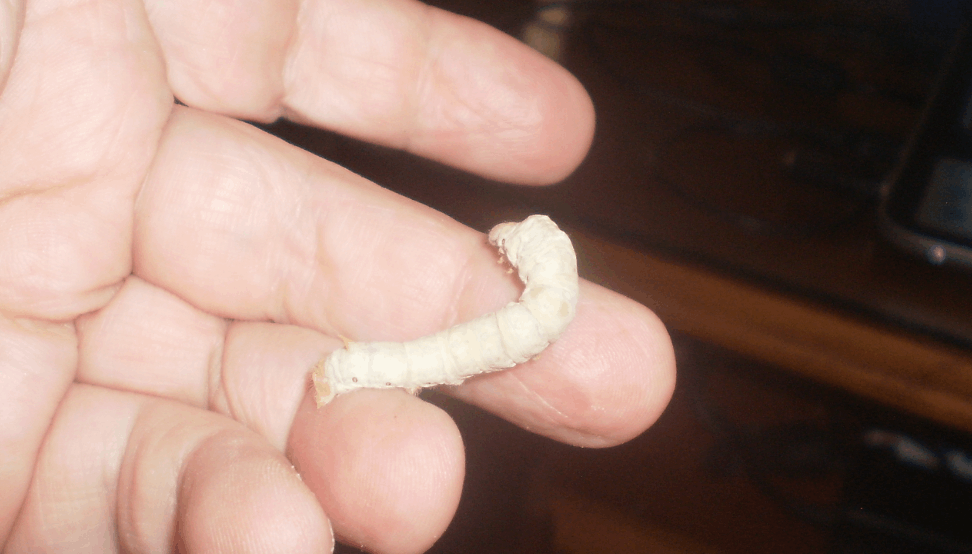
<<< hornworms ( suitable sized are fine, if you can get silkworms these are actually a near perfect staple feeder insect for lizards (skinks) ,
Image
home hatched silkworm about 6 weeks after hatching , about 2 inches long perfect for skinks and dragons over 30g in body mass.

hornworms require a proprietary food (called hornworm chow)
silkworms require either fresh mulberry leaves EVERY DAY , or silkworm chow
both need to be kept in a clean environment , daily removal of worm poos , replacement of food daily


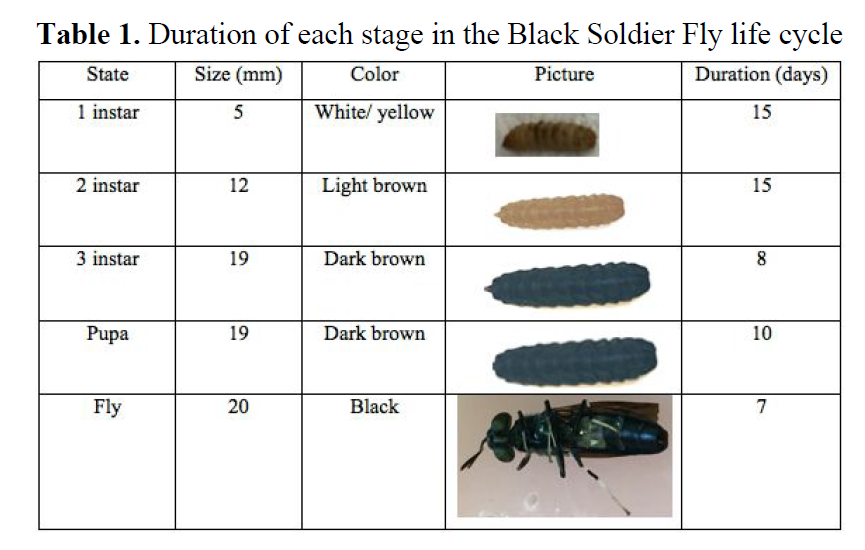
Blacksolder fly lavae see below :
Image
are a fabulous staple feeder insect ( 2nd instar would be the best choice as these are super wiggley and very soft bodied )
BSFL , I simply separate from the dirt they are sometimes supplied , place in a tub with small ventilation holes in the lid on some absorbant paper toweling and let them clean themselves of dirt. They will last up to a 2 weeks as 2nd and 3nd instar before they pupate . The pupa are good food to mix with the salad or to use as hand feeding treats.
,

and Nightcrawlers. I just had some general questions about them.
1. What is the upkeep like for them?
2. How do you guage hm to put with their meal/ is it sufficient on irs own?
3. Do they need to be prepared at all or just good to go on their own?
<< silkworms , BSFL
Silkworm - ,I simply select a few suitable sized silkworms , place them in the feeder dish on either a mulberry leaf or a bit of chow and let the skink discover and eat them at it's leisure.
BSFL - I have a porcelain feeder dish that's escape proof ( bought via Ebay ), make sure it's clean and dry, and the BSFL are all dry , else they can use the surface tension of the film of moisture on them to climb out of even these "escape proof" dishes. I simply place a few dozen BSLF in the dish and let the skink discover and eat them at it's leisure.

4. My final and maybe dumb question but is the horn on the hornworm harmful at all?


The horn on hornworms is not harmful .

Silkworms also have a similar "tail".

Beauty with silkworms and hornworms are they are plump and juicy and slow moving and perfect to place on an upturned open hand to coax a young skittish skink to approach you of it's own accord ( most will find a silkworm / hornworm irresistible ) , BSFL are also slow moving and can be placed a few at time on the upturned opened palm of the hand or held by your finger types to hand feed a skink.
I do the same holding by finger and thumb tips of crickets and woodroaches too.
Handfeeding some the insects each day is great way to get a skittish young skink to learn it can trust you and to bond with it , I also use the same approach to befriend wild skinks, frogs, dragons, geckos and birds.
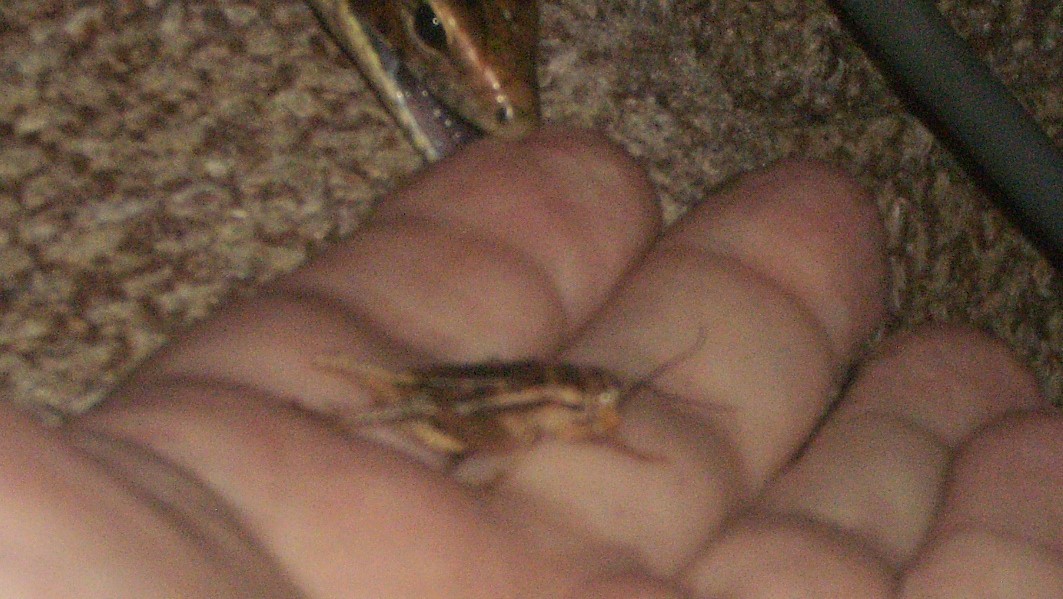
Image
wild water skink trying to eat my finger that smells like crickets LOL
Last edited by kingofnobbys on Thu Aug 29, 2019 8:44 pm, edited 1 time in total.
MeepyMeeps
Bluey Beginner
Bluey Beginner
Posts: 19
Joined: Mon Jul 15, 2019 12:53 am
Country: US
Location: AZ

Re: Feeding worms

Postby MeepyMeeps » Thu Aug 29, 2019 7:55 pm

Thank you! I see I need to research a bit more before I jump into them. My skink is very cautious of me so I hope he'll enjoy some worms.
kingofnobbys
Bluey Devotee
Bluey Devotee
Posts: 1229
Joined: Tue Apr 04, 2017 2:17 am
Country: australia
Location: NSW

Re: Feeding worms

Postby kingofnobbys » Thu Aug 29, 2019 9:23 pm

MeepyMeeps wrote:Thank you! I see I need to research a bit more before I jump into them. My skink is very cautious of me so I hope he'll enjoy some worms.


It all takes a little time to find the best feeders and the ones your pet likes .

Things to consider with the live feeder insects are
moisture content
Ca/P ratio , ideally greater than 1.5 and if the insects are relatively low Ca/P gut loading them to increase their nutritional value and Ca/P , is also increased by lightly dusting those insects that are natively low Ca/P with very fine calcium carbonate powder ( colloidal calcium is best ) .
% Protein
% fat in the insect ( some lipids are necessary as vitamins and minerals are biologically mobilized by binding with lipids in the bloodstream ) , some insects have excessive fat content and these should only be give as treats or appetizers.

Some insects if left in the tank will
>>> attack a sleeping reptile ( crickets are known to do this sometimes , and sometimes superworms )
>>> colonise the tank ( roaches are very quick to colonise bedding and under tank furnishings if left in the tank
for these reasons it best to only offer these insects a few at time when the skink is hungry and willing to catch and eat them immediately and it's adviseable not to leave "rogue" crickets, roaches or superworms in the tank overnight.

A word of caution - it's not wise to catch wild insects to use as feeders - these are likely to
>> carry parasites
>> to have been exposed to toxins ( herbicides / insecticides ).

Harvesting garden snails - some people do this but this is risky , and it's best to a least keep the snails in quarantine to feed them up for a week or so to allow any that have been contact with snailbaits to die and those who have not to purge / clear their guts of toxins and paracites ( no guarantee these will ever be paracite free unless you end breeding them and using the offspring as feeders.

Another word of caution avoid using live insects sold as fish bait , these have usually been fed chemical fish attractants that can be toxic to a reptiles .

Here is some very thorough information on the nutritional content of commercially available feeder insects https://www.beardeddragon.org/forums/vi ... 4#p1807834

Return to “General Discussion and FAQ”

Who is online

Users browsing this forum: No registered users and 164 guests