Page 1 of 1
Dry dog food
Posted: Sun Dec 02, 2018 4:32 pm
by megamuff
My Northern is kind of in brumation. I say kind of because he comes out about once a week for a few hours. I talked to the breeder I got him from and he said to try to prevent him from brumating (is that the right word? lol) so I’ve been doing what he told me to do but the problem is he won’t eat anything. He’ll eat about 2-3 mealworms, he won’t touch his wet food or anything else I’ve tried giving him. I’m wanting to just leave out some dry dog food for him incase he decides he’s hungry. What brand would you recommend? He’s 7 months old. I know that you’re supposed to stick to cat food for the first year but this isn’t something I’ll normally feed him and whatever’s left in the bag I can just give to my dogs.
Re: Dry dog food
Posted: Sun Dec 02, 2018 8:18 pm
by mb606587
Have you tried using the search function to view older threads? I don't feed dry dog food but here is an old thread with a recommendation
HEREAnd why has your breeder advised you to prevent brumation? I remember from a previous thread that TC Houston is your breeder and in my opinion he is very reputable and knowledgeable about the species. I know at one point he also fed dry dog food but I think recently he may have stopped doing so if I'm not mistaken.
Re: Dry dog food
Posted: Sun Dec 02, 2018 8:51 pm
by kingofnobbys
Likely because a 7 month old BT is too young to brumate as it doesn't have the fat reserves a full grown adult will have , and it's inherently higher metabolic rate and growth (a 7 month old is still in rapid growth phase) will deplete it's fat reserves very fast.
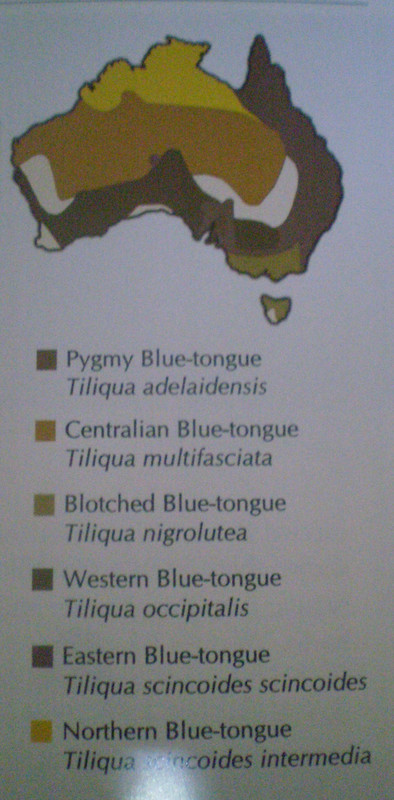
In their natural range , there are only really two seasons , hot & dry (winter), and very hot and very wet (monsoon) , so northerns don't brumate over "winter" in the wild at all. I regularly saw wild northers out and about (basking , hunting about) in June and July when I lived and worked in the Pilbara and when doing the grey nomad thing in the Northern Queensland , the Northern Territory , Far NW of Western Australia.
FYI their native range is entirely tropical woodland and savannah see
Re: Dry dog food
Posted: Sun Dec 02, 2018 9:16 pm
by mb606587
Seems like a plausible reason with the age. I have heard some say it's safe to brumate juveniles and others disagree. I, myself, only keep Indonesian species so I don't have as much experience with brumation. I can understand wanting to err on the side of caution though.
Re: Dry dog food
Posted: Sun Dec 02, 2018 10:05 pm
by kingofnobbys
I keep eastern bluetongues skinks and eastern water skinks and have done so for over 10 years and none of my pet skinks have ever shown any inclination to brumate, though my adults will slow down a little ( will sleep in a little longer in the mornings over winter , wouldn't you ? given the choice ), but are up and basking and doing their skinky things nearly every day as well as looking for their food and wanting to come out for their daily funtime and snuggles.
My home is climate controlled (never colder than 21 degC in my home) and I live in a subtropical coastal location that NEVER sees a frost in winter (coldest we've ever seen is about 6 degC in winter).
And I keep a 15 hour photoperiod year round for my skinks.
That said I also live in the native range of eastern bluetongues and eastern water skinks and regularly see wild specimen in my yard and under my house and in my shed , and even get some coming inside the house, the wild skinks here do disappear for a few weeks in winter (but if it's a warm sunny day they will be seen out and about warming up, basking and looking for food.
The earliest I've seen new born baby skinks in my yard is late August (water skinks) and September (EBT skinks).
I've seen my resident wild juvenile skinks most days over winter when it's sunny and warmish ( regularly see them basking on my sunny concrete paths in the afternoon sun ).
Re: Dry dog food
Posted: Sun Dec 02, 2018 10:21 pm
by megamuff
mb606587 wrote:Have you tried using the search function to view older threads? I don't feed dry dog food but here is an old thread with a recommendation
HEREAnd why has your breeder advised you to prevent brumation? I remember from a previous thread that TC Houston is your breeder and in my opinion he is very reputable and knowledgeable about the species. I know at one point he also fed dry dog food but I think recently he may have stopped doing so if I'm not mistaken.
Thanks I always forget that you can search the old ones.
It’s like kingofnobbys said, he told me that he tries to prevent skinks under a year from going into brumation because they lose too much weight.
I watched his videos where he talks about dry food and he doesn’t say a whole lot about it so I just wanted to see if anyone else knew of good brands to try. He quit feeding it to them daily, I think he only gives it to pregnant skinks and ones that lost a lot of weight through brumation.
Re: Dry dog food
Posted: Mon Dec 03, 2018 12:49 am
by kingofnobbys
The advise I was given = no brumation in it's first winter.
Re: Dry dog food
Posted: Wed Dec 05, 2018 12:39 am
by Susann
That is the ideal, to try to not let young ones brumate. But there is not always something you can do about it if they decide to slow down and stop eating. Some juveniles sense the shorter daylight, sometimes increased low pressure periods, and their bodies respond. Short of you force feeding him and keeping temps up, you don't always have a choice.
If your skink won't respond to temps staying the same and won't eat the food offered, you may not have a choice but to lower the basking spot heat a bit --which will keep the rest of the tank cooler, and allow him to stay at the spot he feels comfortable, but at the same time let him go with his instincts by supplying him with slightly cooler cool side.
If his body tells him to slow down and not eat, and you don't lower the temps a bit (you do still need to have a warm basking spot), he will lose weight --lowering the temps a bit but still giving him the option to go warm up will hopefully slow down the weight loss.
Also, the feeding of cat food for the first year is simply personal preference, not something you need to do. But, rather than going with a dry food (that tends to increase risk of dehydration), I would instead maybe get a small sturdy bowl and add water to a bit of wet cat or dog food --this way it's runny, "fresh", and aromatic to entice your skink for a longer period of time, and, he may feel comfortable lapping some of it up now and then as light, easy nutrition that doesn't burn as much energy to digest. Plus helps with hydration.