


I think there was some good points and it is a good discussion to be had, so it is probably better to give it its own topic rather than let it die because it is off topic.

Saisaac - thanks for the last post, it explained your position much better.
I don't advocate feeding lower quality foods but I definitely don't go by price to determine quality. I do agree with you - I don't my cats foods with lots of fillers in them and same for my blueys. Neither evolved to eat grains so I avoid them (blueys have been known to nibble on grasses and seeds in the wild, so some grains is part of their diet, but not lots of corn filler!).
I think the point that was trying to be made was that we don't really know exactly what the ideal bluey diet is. We can't replicate the wild diet (and don't know enough about it to try), so all we can go on is common sense, our knowledge of their wild diet, and what was worked for many years. A lot of our bluey info actually is bearded dragon info and is assumed to be the same (or at least started out like that and has been tweaked and modified over the years). There is quite a lot of research on beardies and almost none on blueys.
So, when Brad was saying that blueys thrive on this diet - he didn't mean that they are alive and haven't died, so must be doing ok. He was talking about the best source of information we have on blueys - the guys who have been keeping them longer than most of us have been alive! These people who have been keeping and breeding blueys for decades generally feed canned dog food, maybe mixed with some frozen veggies and always supplemented well. These blueys have been thriving and breeding for these guys on this diet longer than most of us have been alive (let alone kept skinks). And they are living into their late teens or longer and breeding / producing babies consistently... if that isn't evidence of thriving (rather than just surviving), I'm not sure what is.
Ideally, I'd offer lots of live prey, a healthy, varied diet, and all sorts of different foods to ensure we cover all bases. However - I am MUCH crazier and have put way more thought and research into bluey diet than most people. Likely, most people will come, stick around for a bit and figure things out and then eventually stop coming to the site. So, if we tell them to feed variety most will start out with very good intentions. They will buy three kinds of greens, some squash, egg, chicken liver, etc. and feed a meal with all sorts of ingredients. Then, three months later, it will be one kind of green and squash. Then it will be chicken breast and some broccoli... and after a year, those good intentions turn into convenience and the limited diet can cause problems. Chicken breast doesn't have nearly enough calcium. Even if they think they are doing well by adding collard greens, they can't feed enough to compensate for the poor Ca:P ratio of chicken. Blueys have died because people thought they were feed the healthiest possible diet rather than crappy, low quality dog food - and we have learned from that. So we decided to advice a dog food based diet. If people do more - that's fantastic! But it is the simplest diet we can recommend that will ensure a healthy BTS for years. No matter what else, if you feed pedigree dog food we KNOW your bluey will be fine.
Unfortunately, the giant care sheet on the main site hasn't been updated in quite a while. So now we are advising some things on the forum that aren't exactly in line with the caresheet (or are a different take on it). Sometimes discrepancies arise and can be frustrating for new members. The caresheet is an excellent resource but the recommendations on the forum (and the food chart linked on the forum / caresheet) are a bit more recent than the caresheet. Hopefully that helps people understand it a bit better.
Anyway, enough of my typing. Please discuss, a good diet discussion is always valuable. Hopefully I explained things a bit better, but please ask any questions if it still doesn't add up.
And thanks for starting the discussion, Saisaac - thinking about new foods (like flowers) and questioning things makes us learn and give better advice.



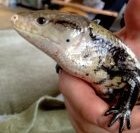






 but endearing, nonetheless


 The cheap, Pedigree dog food is a MUCH healthier food for blueys, those beardie pellets are just awful. I also recommended cutting those out, cat food would be better to feed than those. Those are basically the McNugget version of reptile food - you might think it's chicken, but it is all corn and other fillers!
 I fed as the vegetable part of the diet, but definitely rethinking it.