
I am so guilt ridden after reading the caresheet. Something has been wrong with our BTS (Java) since last Sunday the 29th. We finally figured out he has mites. We purchased Java from a pet store in Eugene, Oregon in May 2012 & they had bred him from the owners 2 BTS. We just recently found BTS.net & am feel VERY stupid & sad that we did not get the proper information on how to care for our BTS. We were told & warned to only spot clean their cage & ONLY clean with bleach/water solution about once every 6 to 8 months. After reading your care sheet I see we were given some BAD info.
I followed the care sheet instructions on how to get rid of mites yesterday. We have sprayed our BTS with Reptile Relief, emptied his cage & sprayed it, washed his cage, & everything in it with a water/bleach solution, lined it with paper towels & plan to repeat the process in 3 days. We can see mites (dead) on the paper towels & have wiped some dead ones off of him.
My main concern is how do I prevent this from happening again?
Where did the mites come from?
How will we know all the mites are gone?
Will the mites be a problem for our non reptile pets (cats & dogs)?
Many Thanks, Geo
Newbie: Help with mites!
Forum rules
In this forum all are welcome to ask blue tongue skink-related questions, share information, ideas, tips, experiences, and pictures with fellow BTS enthusiasts.
If you are wondering if your BTS is acting normally or might be sick, this is where you can get help with that.
This is also where you can have some FUN while sharing the enjoyment you get from your blueys!
In this forum all are welcome to ask blue tongue skink-related questions, share information, ideas, tips, experiences, and pictures with fellow BTS enthusiasts.
If you are wondering if your BTS is acting normally or might be sick, this is where you can get help with that.
This is also where you can have some FUN while sharing the enjoyment you get from your blueys!
-
Geo

- Bluey Beginner

- Posts: 40
- Joined: Sat Aug 04, 2012 1:36 pm
- Country:
- Location: Eugene, Oregon USA
- Contact:
Newbie: Help with mites!
You do not have the required permissions to view the files attached to this post.
-
Linnea

- Swedish Flower

- Posts: 1781
- Joined: Tue Mar 08, 2011 3:34 pm
- Country:
- Location: Sweden
Re: Newbie: Help with mites!
The mites are not yet gone, so stay sharp. it takes at least 40 days for eggs to hatch, and while in egg theyre often immune to many regular toxins and lack of water and food. so keep an eye out. if even one survived this treatment and lays eggs....well, another 40 days after they hatch...and so on...
remove all substrate and put in paper towels. you dont want to give them nests to hide their eggs in, and you wanna see how many youre actually dealing with.
cage furniture that can be baked should be baked in the oven. freezing wont kill some of the mite sorts, nor will hot water. keep this up till youre sure theyre gone, or you will have to redo everything....
its common to hear that they come from substrate(not sure about how true it is), from outdoor adventure or that they actually came from where you bought they bluey (if they handle other reptiles it is even more easily transferred).
if you can get rid of them completely, it should be hard to get them again (if you dont have many reptiles at home). mites are avoided with good hygiene and cage care, as well as being sure not to transfer mites from say, a store or a friends reptile to yours. but of course there are no guarantees.
i do not know how they affect mammals, but i do not think they will go on cats and dogs unless theyre in excessive amounts. they can actually crawl out in furniture etc.....
I hope you get better luck with this fresh start welcome to the forum. wait for the more experienced skink owners to fill in details i missed.
remove all substrate and put in paper towels. you dont want to give them nests to hide their eggs in, and you wanna see how many youre actually dealing with.
cage furniture that can be baked should be baked in the oven. freezing wont kill some of the mite sorts, nor will hot water. keep this up till youre sure theyre gone, or you will have to redo everything....
its common to hear that they come from substrate(not sure about how true it is), from outdoor adventure or that they actually came from where you bought they bluey (if they handle other reptiles it is even more easily transferred).
if you can get rid of them completely, it should be hard to get them again (if you dont have many reptiles at home). mites are avoided with good hygiene and cage care, as well as being sure not to transfer mites from say, a store or a friends reptile to yours. but of course there are no guarantees.
i do not know how they affect mammals, but i do not think they will go on cats and dogs unless theyre in excessive amounts. they can actually crawl out in furniture etc.....
I hope you get better luck with this fresh start
welcome to the forum. wait for the more experienced skink owners to fill in details i missed.Litchie, northern 1.0
Pomme (Pomelo), northern 1.0
Pomme (Pomelo), northern 1.0
-
tylociraptor

- Bluey Follower

- Posts: 299
- Joined: Fri Jul 06, 2012 1:36 pm
- Country:
- Location: NB, Canada
Re: Newbie: Help with mites!
The mites could have come from anywhere- the bedding, the furniture... have you put any new bedding in or furniture without freezing or baking it? If you have that may have been the source. In future, if you have not, I recommend freezing bedding before you use it every time, same with any new furniture. Freezing kills mites DEAD, eggs too, so you're safe that way from a breakout.
Your best bet is to clean EVERYTHING out of the cage and pretty much drop it down to the necessities for now. A water bowl, Hides (smooth ones are best right now) and paper towel bedding. This gives the mites less area to hide and lay eggs.
You will know the mites are gone when they are gone. Easiest way is to keep an eye out for dead/dying mites on the substrate and live ones on the reptile. When my boa had mites I checked once or twice every day.
These mites specialize in reptiles- you, your dog and cat are all safe.
I used the nix method for mites, which I found worked very well. The trick is to dilute it as instructed. When I first used it on Mojo, there were tons of dead mites on the ground a couple hours later.
http://bamboozoo.weebly.com/snakes-nix- ... tment.html
You can also use provent-a-mite on the cage itself, not on the animal. It's a harsher chemical and will do better when killing eggs, nits, etc, that are harder for you to reach.
And number one, do NOT feel guilty. You are the victims of yet another pet store that seems to think that because they sell these animals they have any idea about their care. I would doubt this animal was captive bred, being that it looks to be an Indonesian species. Essentially you got played by another pet store that doesn't care about the animals they sell- just the initial sale. My first reptile was a green iguana, and we were told to use the same care guide they gave us for the LEOPARD GECKO they initially bought for me that had 'escaped'. They sold us a 10 gallon cage for him. No surprise he died months later and it utterly destroyed me, as a child. I felt so guilty and horrible.
There is one Pet store here that actually does research on the animals they sell- they have all sorts of different reptiles, and caresheets that are actually very accurate (to my suprise). Most just don't give that much interest!! So no, this is not your fault, this is the pet stores fault for giving you poor info.
Java will be fine with your care, mites are not a death sentence aside from very extreme cases. You caught them and you clearly love him very much- the best weapon you have... because that love will lead you to make sure to do all you can for him! Good luck!!
Edit to add: the anger in my post is not directed at you at all. I'm glad you guys came to the forum and are asking for advice- you're doing right by your baby! My anger is at pet stores that sell reptiles without any idea of how to care for them.
Your best bet is to clean EVERYTHING out of the cage and pretty much drop it down to the necessities for now. A water bowl, Hides (smooth ones are best right now) and paper towel bedding. This gives the mites less area to hide and lay eggs.
You will know the mites are gone when they are gone. Easiest way is to keep an eye out for dead/dying mites on the substrate and live ones on the reptile. When my boa had mites I checked once or twice every day.
These mites specialize in reptiles- you, your dog and cat are all safe.
I used the nix method for mites, which I found worked very well. The trick is to dilute it as instructed. When I first used it on Mojo, there were tons of dead mites on the ground a couple hours later.
http://bamboozoo.weebly.com/snakes-nix- ... tment.html
You can also use provent-a-mite on the cage itself, not on the animal. It's a harsher chemical and will do better when killing eggs, nits, etc, that are harder for you to reach.
And number one, do NOT feel guilty. You are the victims of yet another pet store that seems to think that because they sell these animals they have any idea about their care. I would doubt this animal was captive bred, being that it looks to be an Indonesian species. Essentially you got played by another pet store that doesn't care about the animals they sell- just the initial sale. My first reptile was a green iguana, and we were told to use the same care guide they gave us for the LEOPARD GECKO they initially bought for me that had 'escaped'. They sold us a 10 gallon cage for him. No surprise he died months later and it utterly destroyed me, as a child. I felt so guilty and horrible.
There is one Pet store here that actually does research on the animals they sell- they have all sorts of different reptiles, and caresheets that are actually very accurate (to my suprise). Most just don't give that much interest!! So no, this is not your fault, this is the pet stores fault for giving you poor info.
Java will be fine with your care, mites are not a death sentence aside from very extreme cases. You caught them and you clearly love him very much- the best weapon you have... because that love will lead you to make sure to do all you can for him! Good luck!!
Edit to add: the anger in my post is not directed at you at all. I'm glad you guys came to the forum and are asking for advice- you're doing right by your baby! My anger is at pet stores that sell reptiles without any idea of how to care for them.
-
Bird_Brain

- The Happy Hitman

- Posts: 4079
- Joined: Sat Nov 04, 2006 7:11 pm
- Country:
- Location: Warren, Indiana
Re: Newbie: Help with mites!
tylociraptor wrote:The mites could have come from anywhere- the bedding, the furniture... have you put any new bedding in or furniture without freezing or baking it? If you have that may have been the source. In future, if you have not, I recommend freezing bedding before you use it every time, same with any new furniture. Freezing kills mites DEAD, eggs too, so you're safe that way from a breakout.
The likely source of mites are from the original owners. It can take some time for owners to notice the issue, until it becomes a large infestation.
I have owned reptiles for around 10 years now and I have NEVER froze, baked, boiled any of my bedding. The only mite issues I have ever had were with new animals received with the mites. I am positive that the mites only came from previous owner.
Do a search on the forum and you will find a lot of threads regarding mite treatment.
Brad
-
Lea

- Patron Saint of Blueys

- Posts: 4261
- Joined: Fri Sep 08, 2006 4:01 am
- Country:
- Location: Adelaide, South Australia
Re: Newbie: Help with mites!
Freezing usually just prolongs the lifestyle of critters like mites, as they just go dormant, allowing them to extend their life without a host.
Shinglebacks - Nippy, Lava, Suunto, Lutea, and Hermione
Easterns - Kiah and Jade
Easterns - Kiah and Jade
-
Geo
- Bluey Beginner
- Posts: 40
- Joined: Sat Aug 04, 2012 1:36 pm
- Country:
- Location: Eugene, Oregon USA
- Contact:
Re: Newbie: Help with mites!
Thanks everyone for the info. I have a few more ?'s
I have followed the instructions on BTS.net care sheet to the letter.
Do I keep Java on the paper towels for the next 40days?
How many more times do I treat him with the Reptile Relief spray?
Is there a better option for treatment?
I have soaked all of his furniture in bleach/water solution & have not put it back in.
Should I repray them &/or soak them again?
I don't plan to return them to the cage until the mites are gone.
I went to the pet store we bought Java from yesterday they sold me the Reptile Relief. One of the workers said it was so odd that he has mites. That in the year & 1/2 they have been open they've only had a mite problem once.
When we purchased Java in May, I had brought a brand new aquarium & stand from them still in the box & the owner set up the aquarium for us. I have come to find out that the water dish as well as the lamps were used even though I assumed (one should NEVER assume) they were new. I now belief that poor Java has always had these mites & it took us this long to figure it out. We were told he is captive breed & were shown his supposed parents, which I now know means nothing. Java is extremely VERY friendly & tame, will even eat out of our hands. Java's a very mellow guy so we believed he was captive bred. He seems to even recognize his name when we call him. We were told he was a BTS but nothing else. We didn't realize there were different BTS. Can anyone tell me what kind he is? Again we were told he is a male but are not sure of anything. I fear losing him bcos he is such a big part of our family. I bought him as a bday for my husband who always wanted a BTS. It's my husbands baby & my daughter (3.5 years old) & I have grown to love him. I had no idea they have such a personality.
I have followed the instructions on BTS.net care sheet to the letter.
Do I keep Java on the paper towels for the next 40days?
How many more times do I treat him with the Reptile Relief spray?
Is there a better option for treatment?
I have soaked all of his furniture in bleach/water solution & have not put it back in.
Should I repray them &/or soak them again?
I don't plan to return them to the cage until the mites are gone.
I went to the pet store we bought Java from yesterday they sold me the Reptile Relief. One of the workers said it was so odd that he has mites. That in the year & 1/2 they have been open they've only had a mite problem once.
When we purchased Java in May, I had brought a brand new aquarium & stand from them still in the box & the owner set up the aquarium for us. I have come to find out that the water dish as well as the lamps were used even though I assumed (one should NEVER assume) they were new. I now belief that poor Java has always had these mites & it took us this long to figure it out.
We were told he is captive breed & were shown his supposed parents, which I now know means nothing. Java is extremely VERY friendly & tame, will even eat out of our hands. Java's a very mellow guy so we believed he was captive bred. He seems to even recognize his name when we call him. We were told he was a BTS but nothing else. We didn't realize there were different BTS. Can anyone tell me what kind he is? Again we were told he is a male but are not sure of anything. I fear losing him bcos he is such a big part of our family. I bought him as a bday for my husband who always wanted a BTS. It's my husbands baby & my daughter (3.5 years old) & I have grown to love him. I had no idea they have such a personality.You do not have the required permissions to view the files attached to this post.
-
Jeff

- Vladik Pippery
- Posts: 5684
- Joined: Thu Sep 18, 2008 3:33 pm
- Country:
- Location: Arizona, USA
- Contact:
Re: Newbie: Help with mites!
Don't feel too bad about missing the mites for awhile. They are very small, and if you don't know what they are, or look like, it is easy to miss them until they get pretty bad.
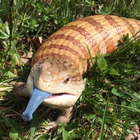
You skink looks to be a merauke. Do keep your skink on paper towels until the treatment is done. I have a different treatment that I prefer to Reptile Relief, but since you have already started that, I would stick with it until it is done. As far as the stuff you took out of the cage. I would put in a garbage bag and spray in some of the spray you can get at a drug store for treating human bedding for head lice. CVS pharmacy has a store brand that is excellent, and I think it is Rid that makes the same exact product, but for 2 - 3 times as much.
Good luck! Mites stink. once you get rid of them though, the only way to get them back is to bring them to your skink. Like has been said before, 99.9% of the time the way that happens is when you bring a new reptile home.
You skink looks to be a merauke. Do keep your skink on paper towels until the treatment is done. I have a different treatment that I prefer to Reptile Relief, but since you have already started that, I would stick with it until it is done. As far as the stuff you took out of the cage. I would put in a garbage bag and spray in some of the spray you can get at a drug store for treating human bedding for head lice. CVS pharmacy has a store brand that is excellent, and I think it is Rid that makes the same exact product, but for 2 - 3 times as much.
Good luck! Mites stink. once you get rid of them though, the only way to get them back is to bring them to your skink. Like has been said before, 99.9% of the time the way that happens is when you bring a new reptile home.
6.10.9 T. s. intermedia
2.2.7 T. s. scincoides
1.2.1 T. nigrolutea
2.2.0 T. r. rugosa
1.2.3 T.g. keyensis
2.0.5 T.s. chimaera
0.0.0. T. occipitalis
0.0.0. T. multifasciata
http://www.btskinks.com
https://www.facebook.com/pages/Bluetong ... 846297977#
2.2.7 T. s. scincoides
1.2.1 T. nigrolutea
2.2.0 T. r. rugosa
1.2.3 T.g. keyensis
2.0.5 T.s. chimaera
0.0.0. T. occipitalis
0.0.0. T. multifasciata
http://www.btskinks.com
https://www.facebook.com/pages/Bluetong ... 846297977#
-
Richard.C

- Kimberley Klan
- Posts: 10474
- Joined: Mon Oct 10, 2005 3:37 am
- Country:
- Location: melbourne australia
Re: Newbie: Help with mites!
you can smell mites jeff?lol
some great advice given ,only thing i can add is treat new arrivals for mites regardless if they have them or not,saves the hassle down the track
some great advice given ,only thing i can add is treat new arrivals for mites regardless if they have them or not,saves the hassle down the track
-
Fatal_S

- Take Flight
- Posts: 8391
- Joined: Mon Dec 05, 2005 3:40 pm
- Your Facebook name: Mel's Exotics
- Country: Canada
- Location: Manitoba
- Contact:
Re: Newbie: Help with mites!
I also sprayed the area around my tanks with mite solution, to kill off any mites that had left the tank. I think I actually sprayed everything within a 5-foot radius of the tanks. Mites suck the big one.
Mel's Exotics
Breeder of Blue Tongue Skinks & More
http://www.MelsExotics.ca
https://www.youtube.com/channel/UCpVkgO ... wr6Ds0CP_A
Breeder of Blue Tongue Skinks & More
http://www.MelsExotics.ca
https://www.youtube.com/channel/UCpVkgO ... wr6Ds0CP_A
-
James Wilson

- The Mentor
- Posts: 693
- Joined: Mon Feb 16, 2004 8:01 am
- Country:
- Location: San Diego, California
Re: Newbie: Help with mites!
Snake mites (Ophionyssus natricis) have to be one of the most common problems that reptile keepers experience today. These tiny blood-sucking bead-like creatures can be seen crawling around on infested skinks. They also leave very small, white, dust-like droppings on the back of their victims. Mites are very contagious, and the best cure is prevention through proper quarantine procedures. If you have a mite free collection, you will want to avoid mites as if they were the plague. If you take short cuts with the quarantine procedure, when acquiring new animals, you will get burned. Consider yourself warned. There are three things to remember that will make the eradication process easier.
1. You must also assume that the enclosure, along with all of its accessories, is infected, and treat it as such.
2. Consider the fact that mites spread easily, and that you may need to treat all of the reptiles in your collection at once in order to successfully rid yourself of these relentless pests.
3. During the process you will need to be compulsively clean, diligent, and persistent (one treatment will not do the job). You must assume that eggs have been laid in the enclosure (eggs take about 9 days to hatch, and are resistant to most methods of treatment).
There are a number of treatments for mites on the market today, and I have found that a combination of treatments is more effective against these tiny little ectoparasites than any one treatment alone. At the first sign of mites, the skink should be washed and soaked for at least one hour, after which the skink should be dried with a paper towel. When finished the towel should be disposed of (preferably burned or flushed). The skink can also be wiped down with a cloth that has been dampened with a Pyrethrin-based flea spray, or one of the newer reptile mite spray products. Care should be taken to not get the chemical into the skinks eyes, nostrils, or mouth. The skink will need to be thoroughly rewashed in 15 minutes after the application. If you choose not to use the spray, a very light coat of vegetable oil can be applied to the skink, taking care to keep the oil out of the eyes and nostrils. The oil will get on the remaining mites and smother them. The treated skink should be placed in a new treatment enclosure (a 20-gallon tank or rubber maid container will do). The new cage should be lined with newspaper, and it should be replaced on a daily basis. Aside from a water bowl, no other cage furnishings will be necessary. Some people also use Seven Dust, or Hartz 2 in 1 Flea and Tick Powder for Cats. These products can be lightly dusted over the skink, and sprinkled on the newspaper of the treatment tank. After 12 hours the skink can be washed thoroughly, and the dusted newspaper replaced with fresh newspaper. The water bowl must be removed during the exposure to these powders. Whichever method you use, you must remember to repeat it every week for 2-3 weeks, with occasional fresh water soaks in-between treatments being very beneficial to the eradication process.
While the skink is being treated, the skink's enclosure should be washed thoroughly, using a bleach water solution (1 cup bleach to 1 gallon of water) and sterilized inside and out. Mite or flee spray can be applied to corners, seams, cracks, and edges in the cage. The hide log should be cleaned and treated in the same fashion as the cage. The water bowl should also be washed in a mild bleach water solution followed by another washing in soap and water. A No Pest Strip or other similar product containing 2/2-dichlorovinyl dimethyl phosphate should be placed in the cage along with the hide log, after which the cage should be completely sealed. Leave the cage with the pest strip in it for the next 2-3 weeks while the fumes kill any remaining mites or mites that may hatch from eggs that were laid in the cage (Most products kill only the mites, not the eggs). During this period you may want to wipe down the outside of the cage with a mite spray on a weekly basis to eliminate any mites that may have hatched from eggs that may have been laid on the outside of the cage. It is only after the successful separate treatment of both the skink and the enclosure that the two can be reunited as they were before the infestation.
1. You must also assume that the enclosure, along with all of its accessories, is infected, and treat it as such.
2. Consider the fact that mites spread easily, and that you may need to treat all of the reptiles in your collection at once in order to successfully rid yourself of these relentless pests.
3. During the process you will need to be compulsively clean, diligent, and persistent (one treatment will not do the job). You must assume that eggs have been laid in the enclosure (eggs take about 9 days to hatch, and are resistant to most methods of treatment).
There are a number of treatments for mites on the market today, and I have found that a combination of treatments is more effective against these tiny little ectoparasites than any one treatment alone. At the first sign of mites, the skink should be washed and soaked for at least one hour, after which the skink should be dried with a paper towel. When finished the towel should be disposed of (preferably burned or flushed). The skink can also be wiped down with a cloth that has been dampened with a Pyrethrin-based flea spray, or one of the newer reptile mite spray products. Care should be taken to not get the chemical into the skinks eyes, nostrils, or mouth. The skink will need to be thoroughly rewashed in 15 minutes after the application. If you choose not to use the spray, a very light coat of vegetable oil can be applied to the skink, taking care to keep the oil out of the eyes and nostrils. The oil will get on the remaining mites and smother them. The treated skink should be placed in a new treatment enclosure (a 20-gallon tank or rubber maid container will do). The new cage should be lined with newspaper, and it should be replaced on a daily basis. Aside from a water bowl, no other cage furnishings will be necessary. Some people also use Seven Dust, or Hartz 2 in 1 Flea and Tick Powder for Cats. These products can be lightly dusted over the skink, and sprinkled on the newspaper of the treatment tank. After 12 hours the skink can be washed thoroughly, and the dusted newspaper replaced with fresh newspaper. The water bowl must be removed during the exposure to these powders. Whichever method you use, you must remember to repeat it every week for 2-3 weeks, with occasional fresh water soaks in-between treatments being very beneficial to the eradication process.
While the skink is being treated, the skink's enclosure should be washed thoroughly, using a bleach water solution (1 cup bleach to 1 gallon of water) and sterilized inside and out. Mite or flee spray can be applied to corners, seams, cracks, and edges in the cage. The hide log should be cleaned and treated in the same fashion as the cage. The water bowl should also be washed in a mild bleach water solution followed by another washing in soap and water. A No Pest Strip or other similar product containing 2/2-dichlorovinyl dimethyl phosphate should be placed in the cage along with the hide log, after which the cage should be completely sealed. Leave the cage with the pest strip in it for the next 2-3 weeks while the fumes kill any remaining mites or mites that may hatch from eggs that were laid in the cage (Most products kill only the mites, not the eggs). During this period you may want to wipe down the outside of the cage with a mite spray on a weekly basis to eliminate any mites that may have hatched from eggs that may have been laid on the outside of the cage. It is only after the successful separate treatment of both the skink and the enclosure that the two can be reunited as they were before the infestation.
James Wilson
-
Geo
- Bluey Beginner
- Posts: 40
- Joined: Sat Aug 04, 2012 1:36 pm
- Country:
- Location: Eugene, Oregon USA
- Contact:
Re: Newbie: Help with mites!
I am so grateful for all the the great info. I appreciate all of you taking the time to share your knowledge with me.
I do have one more question. Our java is doing much better after the first treatment. We do not see anymore mites but assume we will have to another treatment if not several more.
Just moments ago we noticed is he starting to shed. Is there anything we should do now that he is shedding?
Many Thanks & Many Smiles, Geo
I do have one more question. Our java is doing much better after the first treatment. We do not see anymore mites but assume we will have to another treatment if not several more.
Just moments ago we noticed is he starting to shed. Is there anything we should do now that he is shedding?
Many Thanks & Many Smiles, Geo
-
James Wilson
- The Mentor
- Posts: 693
- Joined: Mon Feb 16, 2004 8:01 am
- Country:
- Location: San Diego, California
Re: Newbie: Help with mites!
Geo wrote:I am so grateful for all the the great info. I appreciate all of you taking the time to share your knowledge with me.
I do have one more question. Our java is doing much better after the first treatment. We do not see anymore mites but assume we will have to another treatment if not several more.
Just moments ago we noticed is he starting to shed. Is there anything we should do now that he is shedding?
Many Thanks & Many Smiles, Geo
Baths and soaks have always been an important part of my skink maintenance program. When my skinks start the shedding process I put them in a plastic container filled with 2 inches of luke warm water, and allow them to soak for anywhere from 15 minutes up to 2 hours. This helps loosen the old skin, and it saves me from having to clean the messy shed out of the cage. When soaking your blue-tongue, it is important to soak it in a container with a lid to prevent escape, and holes to allow for ventilation. When Blue-tongues are kept too dry, they often seem to be in a continual state of shed in that before they are finished with one shed, they begin another shed. This can cause shed to build up (especially in problem areas like toes and ears) and cause potential problems. Blue-tongued Skinks are a bit messy at times, occasionally coming in contact with their own feces. On these occasions it is not inappropriate to give the skink a quick bath. This is easily accomplished by applying some liquid antibacterial hand soap to the skink, and proceeding as if washing your own hands while taking care not to get soap in the skinks mouth nose or eyes. When bathing blue-tongues, use only slightly warm water, and rinse thoroughly.
James Wilson
-
AnnaMonroe
- Bluey Follower
- Posts: 477
- Joined: Sun Jun 24, 2012 10:28 am
- Country:
- Location: BROOKLYN, NY
- Contact:
Re: Newbie: Help with mites!
James, you rock. I learned so much from reading your responses, it's great. 
-
Geo
- Bluey Beginner
- Posts: 40
- Joined: Sat Aug 04, 2012 1:36 pm
- Country:
- Location: Eugene, Oregon USA
- Contact:
Re: Newbie: Help with mites!
Again I would like to THANK everyone for all the helpful information. I appreciate you taking the time, energy, & consideration to help me out.
Many Thanks & Many Smiles, Geo
Many Thanks & Many Smiles, Geo
Return to “General Discussion and FAQ”
Who is online
Users browsing this forum: No registered users and 101 guests